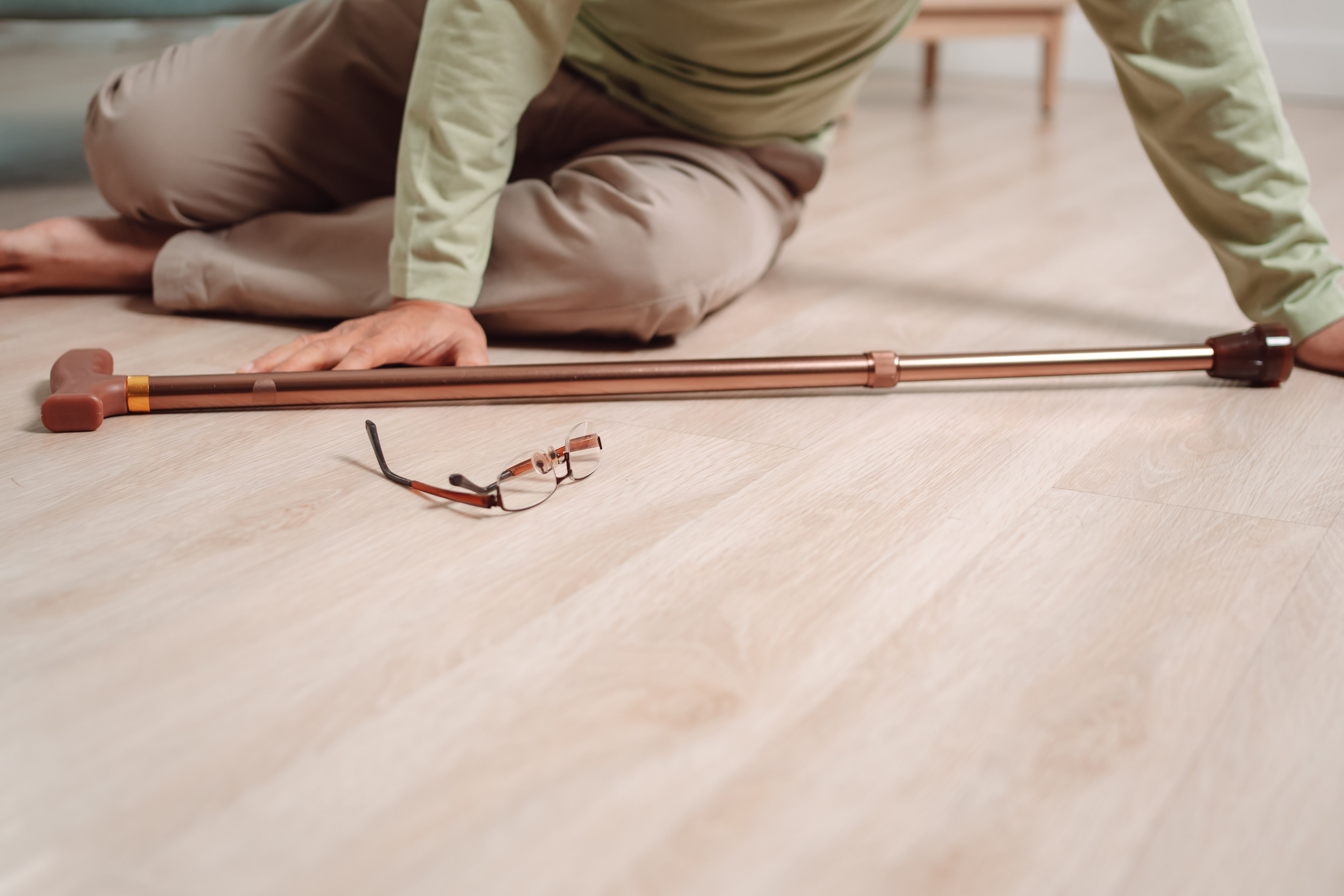
Falling is one of the most common and frightening experiences for older adults. In fact, the Centers for Disease Control and Prevention (CDC) reports that 1 in 4 adults over age 65 falls each year. But beyond the physical injuries, there’s another serious consequence: the emotional aftermath.
Many seniors who experience a fall—especially a serious one—develop an overwhelming fear of falling again. This fear can take hold quickly and deeply, leading older adults to withdraw from everyday activities, stop walking unless necessary, or avoid social outings altogether.
Although this response is completely understandable, it can create a dangerous cycle:
Fear → Inactivity → Weakened Strength and Balance → Increased Risk of Falling Again
Helping your loved one break this cycle is essential—not just for physical health, but for emotional well-being and long-term independence.
After a fall, it may seem logical to “play it safe” and avoid movement. But inactivity is a hidden threat. Here’s why:
Instead of keeping your loved one safer, inactivity increases the likelihood of future falls—and can quickly spiral into loss of independence.
If your aging parent or relative has become fearful after a fall, the most important first step is to open the lines of communication.
Here’s how to approach the conversation with compassion and clarity:
“Mom, I know that fall in December really shook you. It scared me too. I want to help you feel strong and steady again, but
I’m worried that being too cautious might make things harder in the long run.”
Let them know it’s normal to feel hesitant after a fall—and that they’re not alone.
Share what you’ve learned: that movement, done safely and gradually, is the best way to prevent future falls.
“What can we do together to help you feel more confident on your feet again?”
Once your loved one is open to discussing their fear, you can offer practical, manageable steps to ease back into activity.
Here are several proven strategies:
A professional perspective can reduce anxiety and offer guidance:
Was the fall caused by medication side effects? Poor lighting? A bout of illness? Identifying what’s changed since then can bring peace of mind.
“You were really run down and on that medication when you fell. You’re much stronger now, and the doctor took you off that medicine.”
If your loved one is struggling with a fear of falling, a geriatric care manager (GCM) can provide expert support and reassurance—both for them and for you.
At LiveWell, our care managers specialize in helping families navigate the emotional and physical challenges of aging. We can:
GCMs serve as both advocates and guides—ensuring your loved one gets the support they need, while easing the burden on you as a caregiver.
Don't let fear define their future—help your loved one walk forward with strength and security.