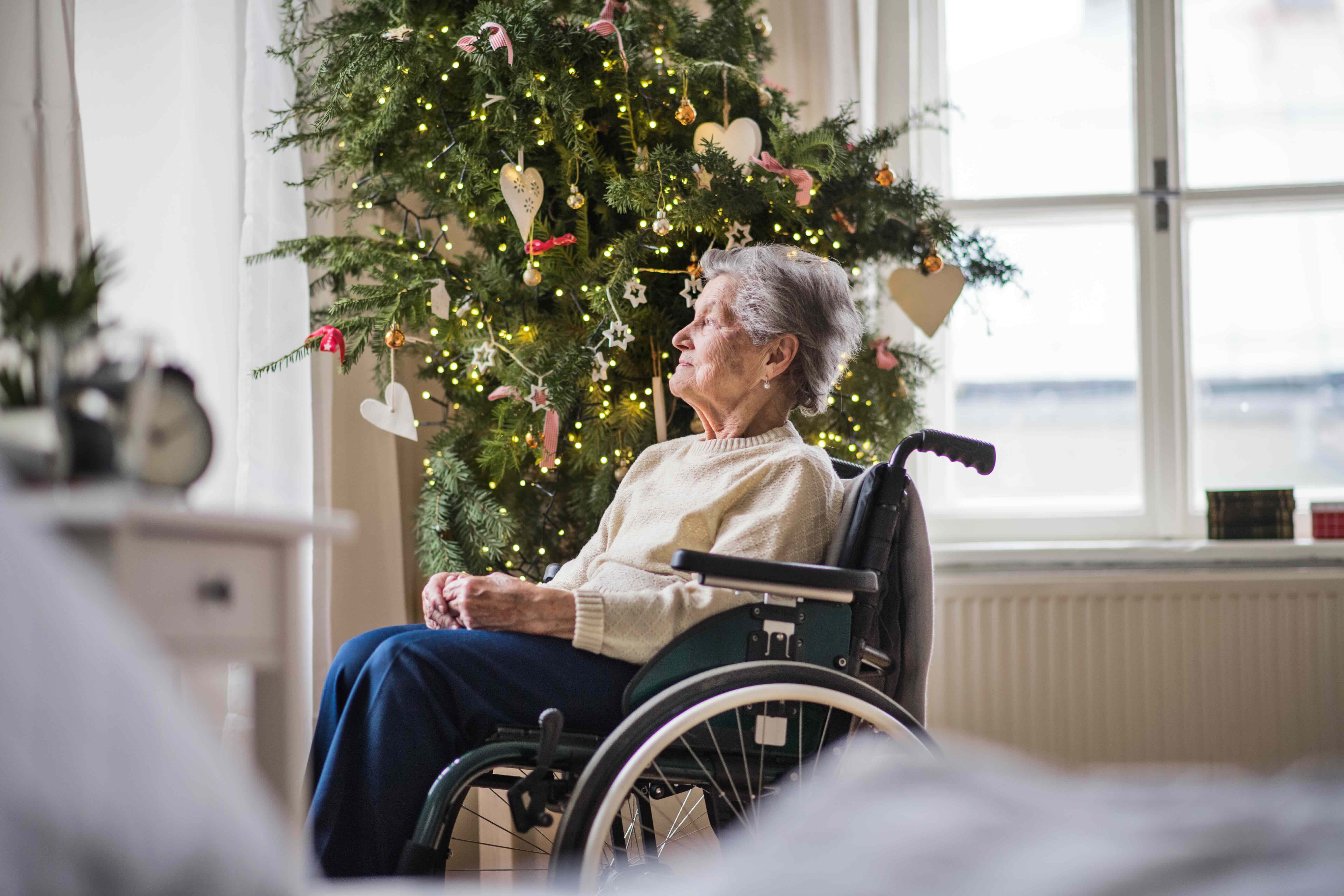
Loneliness isn’t just a fleeting emotion—it can be a serious health risk, especially for older adults. As we age, it becomes more difficult to stay socially engaged. Retirement, the loss of a spouse or close friends, changes in physical health, and limited mobility can all contribute to reduced social contact. But what many people don’t realize is just how deeply isolation affects our physical and mental health.
Research increasingly shows that chronic loneliness and social isolation don’t just feel bad—they can literally make us sick. Seniors who lack meaningful social connections face significantly higher risks of depression, cognitive decline, heart disease, and even premature death.
Dr. John Cacioppo, a pioneering social neuroscientist from the University of Chicago, stated it clearly: “Chronic loneliness belongs among other health risk factors such as smoking, obesity, or a lack of exercise.” His research, and that of others, has positioned social isolation as a public health concern, particularly in aging populations.
Loneliness and Aging: What the Latest Science Tells Us
A major study by Brigham Young University, led by psychologist Dr. Julianne Holt-Lunstad, reinforced these findings and added new insights into how loneliness affects people across the lifespan.
Here's what her team discovered:
Some people prefer solitude and may not consider themselves “lonely” in the traditional sense. However, Holt-Lunstad’s research shows that even people who choose solitary lifestyles experience the same health risks as those who feel isolated against their will. Whether you're alone by choice or circumstance, the biological impact on the body remains the same: increased stress hormones, inflammation, and a weakened immune system.
Being around others doesn't guarantee social connection. Many people feel “lonely in a crowd,” especially if their interactions lack emotional closeness or meaning. It’s the quality of our relationships, not just the quantity, that matters most.
Seniors often face unique barriers to social engagement—chronic illness, mobility issues, transportation limitations, and shrinking social circles. When these factors stack up, they can lead to prolonged periods of isolation, increasing risks for conditions like dementia, stroke, and anxiety disorders.
According to study co-author Tim Smith, “Not only are we at the highest recorded rate of living alone across the entire century, but we’re at the highest recorded rates ever on the planet.” This dramatic shift in household structures and social norms is raising alarms among public health experts.
Can Technology Bridge the Social Gap for Seniors?
The rise of digital communication offers both promise and pitfalls for older adults. Tools like video calls, social media, and messaging apps can help maintain family bonds and provide a sense of connection—especially for those with limited mobility.
However, researchers caution that digital interaction isn’t a complete substitute for in-person contact. Online relationships often lack the emotional richness of face-to-face conversations. Additionally, some older adults may struggle with using new technology, further increasing their risk of isolation.
The Healing Power of Connection: How Relationships Improve Health
There is good news: just as loneliness harms our health, connection heals it. Strong, supportive relationships have been shown to:
Dr. Holt-Lunstad’s study found that individuals with strong social ties had a 50% increased likelihood of survival over time, compared to those with weak or insufficient relationships. That makes social connection one of the most powerful predictors of long-term health.
Signs a Senior May Be Struggling With Isolation
If you're caring for an aging parent, partner, or friend, it’s important to recognize the subtle signs of social withdrawal:
Early intervention can prevent these symptoms from progressing into more serious health issues.
How Geriatric Care Managers Can Help Seniors Reconnect
Geriatric care managers (GCMs) are licensed professionals who specialize in supporting older adults and their families through every stage of aging. They are uniquely equipped to identify signs of isolation and create customized care plans that promote well-being.
Here’s how GCMs help combat social isolation:
Whether your loved one lives independently, in assisted living, or with family, a geriatric care manager can be a valuable ally in preventing the emotional and physical toll of isolation.
Connection Is Care: Let’s Make It a Priority
In a world that often moves too fast, seniors are at risk of being left behind. But it doesn’t have to be this way. Building regular, meaningful connection into your loved one’s life can lead to better health outcomes, a stronger sense of purpose, and a longer, more fulfilling life.
📞 Reach Out Today for Compassionate, Professional Support